What is GBS Rehabilitation?
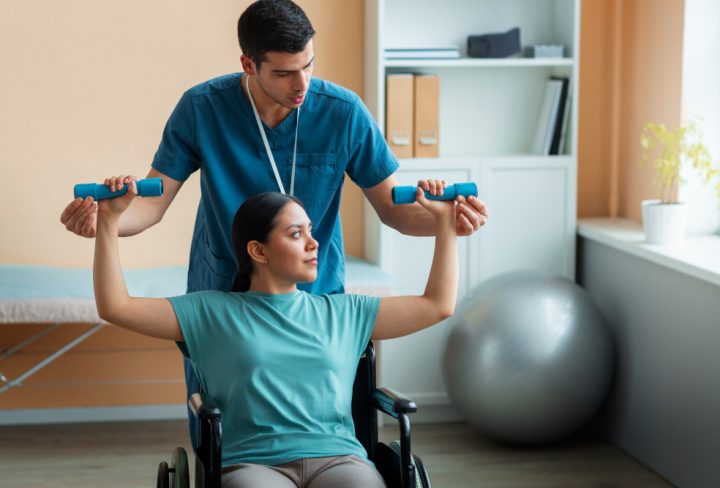
GBS Rehabilitation helps people recover after Guillain-Barré Syndrome (GBS). GBS is a rare nerve disorder that can cause weakness and even paralysis. Because recovery can take time, rehabilitation is very important. It helps patients regain strength, movement, and independence. In fact, GBS rehabilitation often includes physiotherapy, exercises, and support for both patients and families.
Common Symptoms Addressed in GBS Rehabilitation
Many people with GBS face similar problems. Rehabilitation aims to improve these symptoms. For example, common issues include:
With the right support, many symptoms can get better over time. However, some people may need longer care.
Causes and Risk Factors for GBS
Doctors do not know the exact cause of GBS. Still, it often starts after an infection, such as a cold or stomach bug. Sometimes, vaccines or surgery may trigger it, but this is rare. Risk factors include:
Although GBS can affect anyone, most people recover with proper care and rehabilitation.
Diagnosis and Assessment Before Rehabilitation
Before starting GBS rehabilitation, doctors perform several tests. These help confirm the diagnosis and check nerve and muscle function. For instance, tests may include:
After diagnosis, a rehabilitation team creates a plan based on each patient’s needs. This plan guides the recovery process.
Key Rehabilitation Approaches and Physiotherapy Techniques
GBS rehabilitation uses many methods to help patients recover. Physiotherapy for GBS is a key part of this process. Some common approaches include:
As patients improve, therapists adjust the plan. This helps ensure steady progress.
Home Exercises and Lifestyle Tips for GBS Recovery
Even at home, patients can support their recovery. Here are some helpful tips and rehabilitation exercises for GBS:
With time and patience, many people see steady improvement at home.
Preventing Complications During GBS Rehabilitation
While most people recover well, some may face problems during rehabilitation. To prevent complications:
Early action can help avoid serious issues and speed up recovery.
When to Seek Professional Help
Sometimes, new symptoms or setbacks can occur. You should contact your doctor or rehabilitation specialist if you notice:
Prompt care can make a big difference in your recovery journey.
Reliable Resources and Support Networks
Support is important for both patients and families. Many groups and websites offer helpful information. For example, you can find support at:
Connecting with others can provide comfort and useful tips during recovery.
Consult a rehabilitation specialist for personalized guidance on GBS recovery.